Professional Electric Specialist Solutions for All Requirements
Professional electrical service providers provide expert services that address a diverse range of needs within both residential and commercial industries. These experts assure adherence with safety standards and enhance operational efficiency. From setup work to energy management, their expertise is essential for minimizing hazards and preventing costly errors. Comprehending the complexities of local regulations solidifies their importance. However, navigating the selection and engagement procedure can prove difficult, bringing up important inquiries regarding how to identify the suitable contractor for your specific needs.
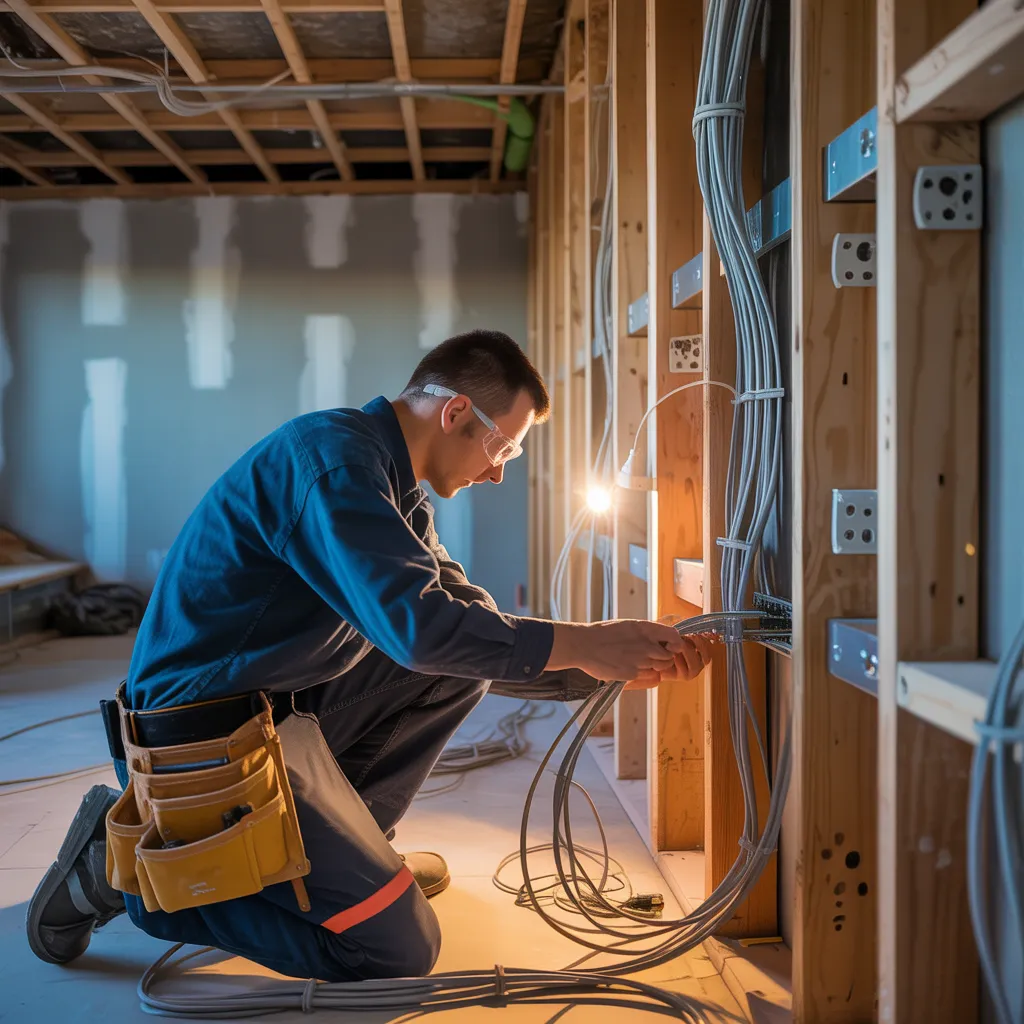
Why Bringing in a Competent Electrical Contractor Is Paramount
Employing a competent electrical contractor can substantially affect the safety and functionality of a property's electrical system. These professionals possess the vital preparation and knowledge to confirm that all electrical work meets local standards and regulations. This adherence minimizes the exposure of risks such as electrical fires, shock, and equipment failure. Additionally, a capable contractor can thoroughly evaluate the specific electrical needs of a property, supplying personalized solutions that strengthen efficiency and performance.
In conjunction with safety, employing a professional can prevent costly mistakes that frequently result from DIY efforts or hiring unlicensed individuals. Their expertise allows for timely project completion while maintaining quality standards. Moreover, a reputable contractor usually provides warranties and guarantees, offering reassurance to property owners. Ultimately, the decision to hire a qualified electrical contractor is not just about convenience; it is an commitment in the sustained safety and dependability of a home's electrical infrastructure.
Standard Electrical Services Supplied by Contractors
A full spectrum of technical services is ordinarily supplied by firms to fulfill diverse client needs. These products include domestic electrical installation, where workers install and maintain electrical infrastructure in houses, ensuring protection and compliance with local codes. Trade electrical services encompasses installations and repairs in commercial venues, focusing on efficient energy use and reliable operation.
Additionally, electrical experts supply lighting installation and upgrades, improving both aesthetics and functionality in various spaces. They also focus on fixing and diagnosing electrical difficulties, resolving problems like dimming fixtures or circuit overloads.
In addition, operational efficiency reviews are carried out to benefit customers lower power consumption and cut utility costs. Contractors often provide help with the addition of intelligent helpful tips home automation, applying cutting-edge technology for better regulation and household convenience. To conclude, emergency electrical services are provided to address critical situations, ensuring that clients obtain swift assistance when required.
Evaluating Electrical Contractor Qualifications
Reviewing the credentials of an electrical contractor is necessary for upholding quality and safety in electrical work. Crucial considerations involve the necessary licensing and certifications, complete insurance and liability coverage, and an established record of experience. Altogether, these aspects form the foundation for assessing the contractor's reliability and professionalism.
Licensing and Certifications Essential
Licensing and credentials serve as significant indicators of an electrical contractor's qualifications and conformance to industry standards. Every region has specific licensing requirements that contractors must meet, often including a mix of education, training, and experience. Certifications from recognized organizations additionally confirm a contractor's specialty in areas like residential, commercial, or industrial electrical work. These credentials not only ensure compliance with local regulations but also reflect a commitment to safety and professionalism. Clients should confirm these credentials before hiring, since licensed contractors are generally more knowledgeable about current codes and best practices. Ultimately, appropriate licensing and certifications strengthen consumer confidence and contribute to the successful completion of electrical projects.
Insurance And Risk Coverage
Insurance and liability coverage are critical elements when assessing the credentials of an electrical contractor. These protections guarantee that both the contractor and the client are protected against potential mishaps. A qualified electrical contractor should possess general liability insurance, which covers property damage or injuries that may occur during the project. Additionally, workers' compensation insurance is crucial, as it protects against workplace injuries sustained by employees. Clients should confirm that the contractor’s insurance is current and sufficient to cover the scope of work. This not only reduces financial risk but also reflects the contractor's commitment to professionalism and safety. Ultimately, robust insurance and liability coverage serve as indicators of a trustworthy and dependable electrical contractor.
Experience and Demonstrated Success
Experience functions as a base in determining the qualifications of an electrical contractor. A contractor's history of completed projects demonstrates their capacity to manage various electrical tasks, ranging from home electrical work to intricate business electrical infrastructure. Potential clients should inspect the contractor's portfolio, searching for completed jobs that align with their particular requirements. Furthermore, time in the industry often correspond to a more comprehensive grasp of regulatory requirements and safety standards. Customer reviews and reviews can offer insights into dependability and customer satisfaction. Licenses and licenses further confirm a contractor's expertise, displaying ongoing education and adherence to industry standards. In conclusion, a robust track record enables informed selection, guaranteeing clients choose a contractor providing quality work consistently.
Electrical Contractors and Their Role in Home Renovations
In the intricate dance of home renovations, electrical firms play a pivotal role, guaranteeing that every wiring and lighting determination enhances both safety and style. Their expertise is vital in planning and executing electrical plans that fulfill building codes and regulations. From installing energy-efficient lighting to purposefully placing outlets, these specialists assure utility and convenience throughout the home.
Moreover, electrical contractors assess current infrastructure, identifying required improvements or repairs that enhance overall energy efficiency. This not only lowers utility costs but also contributes to a greener living environment. They work closely with fellow trade professionals, coordinating their work with plumbing, carpentry, and aesthetic components to develop a unified improvement strategy.
In the end, the role of qualified electricians is necessary for changing a house into a safe, stylish, and modern home, emphasizing their value in any successful renovation project.
Electrical Contractor Answers for Commercial Spaces
Throughout commercial spaces, electrical contractors play an essential role in executing robust electrical systems and energy management infrastructure. These implementations not only improve operational output but also result in cost savings over time. By spotlighting innovative electrical designs, businesses can streamline their energy consumption and fortify overall operational success.
Streamlined Wiring Implementations
Proficient wiring arrangements are necessary for advancing functionality and wellbeing in commercial spaces. A methodically planned wiring system strengthens electrical performance while reducing the risk of hazards. Expert electrical contractors assess the unique needs of each facility, ensuring that wiring is configured to support various applications, from lighting to heavy machinery. By utilizing quality materials and adhering to industry standards, they diminish maintenance issues and extend the lifespan of electrical systems. In addition, effective wiring designs permit future upgrades and expansions, allowing businesses to adapt to evolving technological demands. Ultimately, investing in proficient wiring installations not only optimizes operational efficiency but also contributes to a safer working environment, promoting overall productivity and peace of mind for both employers and employees.
Energy Oversight Platforms
Optimizing power infrastructure extends beyond efficient wiring installations; it includes the deployment of energy management systems that improve power efficiency in business environments. EMS solutions provide immediate oversight and management of power usage, enabling companies to recognize usage patterns and reduce waste. By incorporating advanced technologies, such as intelligent metering devices and automatic management systems, EMS can substantially lower operational costs while advancing sustainability. Electrical contractors play an essential role in creating and deploying these systems, ensuring they meet particular business requirements. With customized energy management systems, companies can achieve improved power efficiency, comply with requirements, and enhance their complete business effectiveness. Implementing an EMS not only benefits the bottom line but additionally helps to a more sustainable planet.
Strategies for Conveying Your Project Requirements to Service Providers
Clearly articulating project needs is essential when working alongside electrical contractors. Clients should start by outlining the project scope, detailing the type of work required, whether it's new installations, upgrades, or repairs. Providing detailed descriptions helps contractors grasp expectations and necessary resources.
Furthermore, clients should discuss their budget constraints and timelines. Communicating these details enables vendors to present feasible options and schedules. It is also useful to examine any distinct needs for components or tools, along with any pertinent safety or legal requirements.
Visual materials, including graphs or photos, can further enhance understanding. Encouraging open dialogue creates a partnership-based atmosphere, allowing contractors to ask explanatory questions and suggest different solutions. Lastly, establishing a central contact guarantees clear communication during the project. By following these guidelines, clients can successfully share their needs, resulting in successful project outcomes.
What to Expect During the Electrical Installation Procedure
What could a person anticipate during the electrical service process? To begin, the electrical contractor will perform an assessment of the project needs, discussing the parameters and any specific concerns. Following, they will provide a comprehensive estimate, outlining costs and timelines. Once the contract is in place, the contractor will schedule the work and obtain any necessary permits.
Throughout the actual work, you can expect clear communication about advancement and possible interruptions. The contractor will guarantee that safety protocols are adhered to, reducing risks to both workers and residents. As the project progresses, inspections may occur to verify compliance with local codes.
Once the work is completed, the contractor will conduct a final walkthrough, managing any worries and assuring all systems function correctly. Finally, they will furnish documentation, including warranties and care instructions tips, ensuring that the homeowner is well-informed about their new electrical installations. This thorough process endeavors to furnish reliable and productive electrical solutions.
Frequently Asked FAQ
What Is the Typical Cost of Hiring an Electrical Contractor?
The standard rate for bringing in an electrician typically spans from $50 to $100 per hour, relying on the project's complexity and region. Flat fees for specific work might apply, varying significantly.
How Long Will Standard Electrical Work Take to Complete?
Standard electrical work duration fluctuates, commonly taking anywhere from a few hours to several days, contingent on the project's complexity. Factors such as the type of installation, state of existing wiring, and contractor efficiency are crucial to project duration.
Is Authorization for Electrical Specialists Enforced in Every State?
Electrical contractors are generally required to be certified in most states, guaranteeing they satisfy specific education and experience standards. However, certification requirements can differ significantly, so it's important to check local regulations for accurate information.
Can I handle Any Electrical Work on my own?
Individuals can complete some basic electrical tasks themselves, such as changing outlets or light fixtures, but must follow local codes. For complex tasks, engaging a certified electrician is advisable to ensure safety and compliance.
What Steps Can I Follow During an Electric Emergency?
In case of an electrical emergency, one should immediately turn off the power at the circuit breaker, refrain from contacting any live wires, and contact a certified electrician for help to ensure safety and proper resolution.